

Five Tips for Booking Your Dream Hunt

Things to think about when you’re ready to embark on the hunt of a lifetime.

Few things are more exciting than booking a guided adventure in a hunting Shangri-la, whether it’s for trophy elk in Arizona, wilderness moose in Canada, or buffalo in Tanzania. But whether your experience is a good one or not depends heavily on your outfitter. The importance of picking the right expert to outfit your hunt can hardly be overstated, as your safety and a significant investment of your time and money will be in the outfitter’s hands.

Do your homework

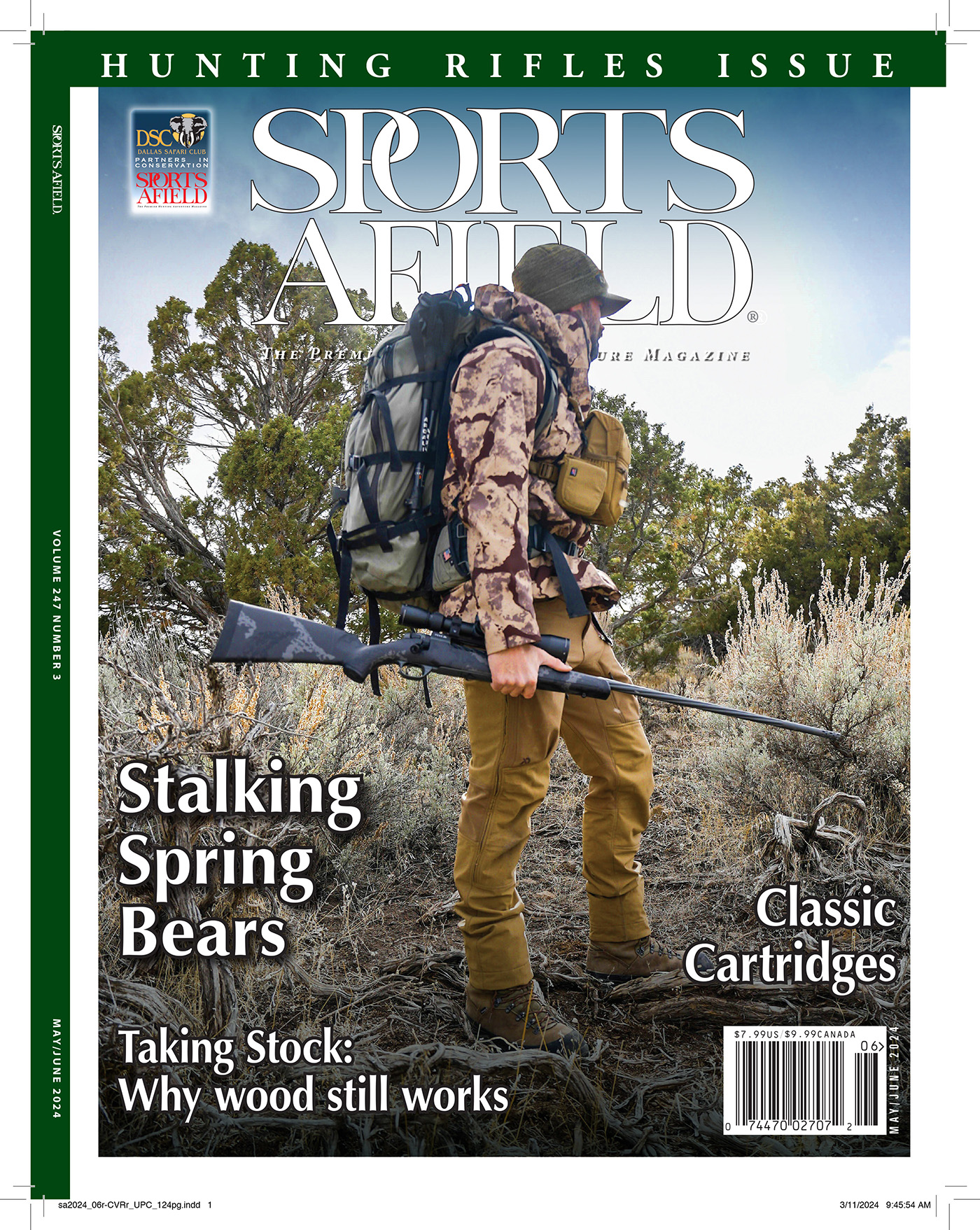
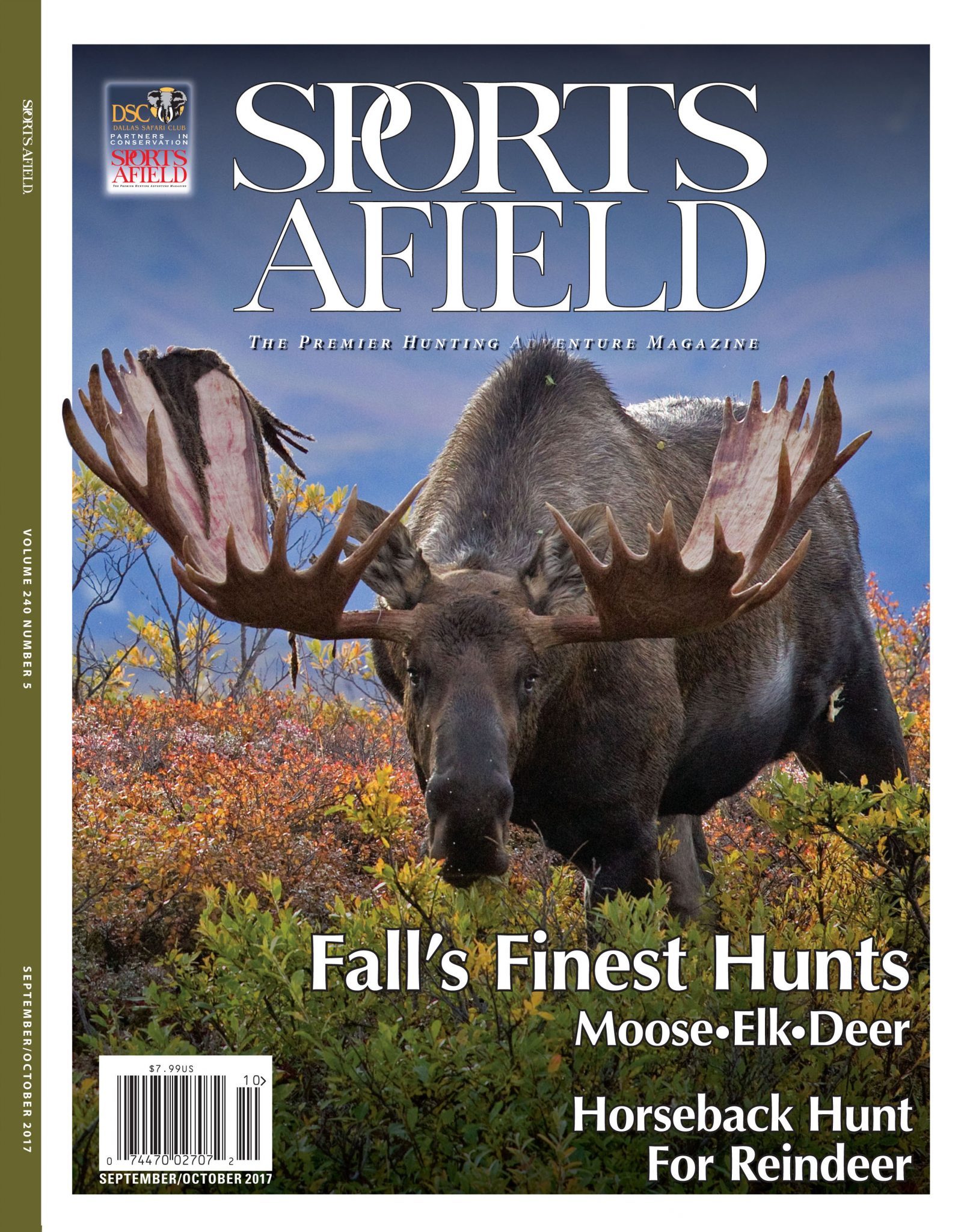
There are lots of great hunting outfitters out there, but there are also some not-so-good ones, including a few who are operating illegally or just shoddily. It’s important to do some research before you decide on a particular hunt. First, read up on the kind of hunt you want to do in magazines such as Sports Afield so you know what to expect. Then, start compiling a list of likely outfitters.

As you begin narrowing your search, study each outfitter’s Web site and brochures. Check with the state or provincial outfitter association to make sure the outfitter in question is a member in good standing. E-mail or call and ask the outfitter specific questions. Read what people are saying about the operation in online forums. Call people on the list of references your outfitter provides and chat with them about their experience. Remember that as in any business, you can’t please all of the people all of the time, and one or two negative comments about the operation is not necessarily a deal-breaker. But if the negatives form a pattern, be concerned.

Some of the excellent publications that can help you in the research phase of your hunt include Safari Guide II and African Hunter II for African hunts, and the Ask the Guides series for North American hunts. All of these books are available from Safari Press.

Use a booking agent

If you want to hunt in an unfamiliar destination but aren't sure where to begin, start by contacting a hunt booking agent. Advice from a booking agent is free--it doesn't cost you, the hunter, anything, since booking agents are paid through commissions from the outfitters they represent. That means you have nothing to lose by making a call.

Of course, you still need to do some of the basic legwork yourself—have an idea, for example, of what animals you want to pursue, what time of year, and what countries or areas you would like to visit. A good booking agent should be able to recommend hunts, countries, area, dates, and outfitters that fit your particular needs and desires. Even if you've always wanted to go to Africa but think such a trip might be financially out of reach, it's worth contacting a reputable booking agent and being frank about your budget and time constraints. They'll be honest with you if your expectations are unrealistic, but you might be surprised by what is available.

Beware, though, of part-time or inexperienced booking agents. The best way to ensure you're working with a trustworthy one is to make sure he or she is a full-time agent with at least five years of experience.

Go to a show

Hunting conventions are great places to gather information about outfitters because you can actually talk to the outfitter and sometimes his guides face-to-face. The outfitter should have some recent trophy photos to show you; be sure to ask whether the photos were taken last year or ten years ago. The largest hunting conventions are especially valuable sources of information because you can often strike up conversations with other people who have hunted with the outfitter and ask them questions.

A couple of caveats: Remember, just because an outfitter is exhibiting at a hunting show doesn’t automatically mean he is reputable. You still need to do your research. If you plan to book a hunt at a show, it’s a good idea to have a few outfitters in mind, research them thoroughly beforehand, and then attend the show armed with this information; meeting them personally should help you to make your final decision. Check out the Dallas Safari Club convention in Dallas, Texas, January 7-10 (biggame.org) and the Safari Club International Convention in Reno, Nevada, Jan. 27-30 (safariclub.org).

Ask friends

Some of the best resources for finding an outfitter are friends or acquaintances who travel to hunt, especially those who have done a lot of hunting. If you know someone who had a good experience in Africa, for example, ask them who they went with and whether they would recommend that outfitter. Better yet, ask several people. But keep in mind that what Uncle Fred considers a good hunt may not meet your criteria; Uncle Fred’s ideal hunt may consist of riding around in a truck whereas you might prefer to hike and glass. Also, be aware that “friends” who recommend certain outfitters may be a getting a deal on their own hunt from an outfitter on the condition they book several other people at full price. It may be fine, but do your homework.

Be conscious of costs

Remember you get what you pay for, and that’s as true in hunting as anything else. Keep in mind that there are bargains out there, but if something seems too good to be true, it generally is. When calculating costs, keep in mind all the extra expenses you will incur alongside the hunt itself: airline travel, local transport, tips, trophy export paperwork, transport of trophies back to your taxidermist, clearance charges upon entry to the USA, and taxidermy fees.

When you’re checking and comparing prices, ask the outfitter if there are any hidden costs, including licenses and tag fees and transportation in and out of the hunting area. Many wilderness hunts, for example, are advertised without the cost of the charter flight included—and that adds considerably to the total. African safaris typically have both daily rates and a trophy fee for each animal you shoot. Make sure you understand the pricing structure.

Get on e-mail lists and mailing lists of outfitters and booking agents who offer “cancellation hunts.” You’ll have to be flexible enough to take such hunts on short notice, but the prices can be attractive.

Most great hunts don’t happen accidentally; they are the result of careful planning and research. When you’re finally packed and ready to board the plane for your dream hunt, you’ll know you’re heading to the adventure of a lifetime.


NOTES FROM AFIELD: Five Tips for Booking Your Dream Hunt | Accuracy, Dependability and Flexibility | The Best Never Rest