

|
||||||
|
Hard Hunts & Easy Hunts
By Craig Boddington
I’m happy to report that I don’t get too many “bad letters.” Few enough that I tend to remember them, but I probably would anyway because some of them are real doozies. Like one I got some years back. I had written about a delightful black bear hunt I’d taken in southeastern Alaska. The hunt was self-guided, but our “camp” was a warm boat. We’d put out the crab pots and fishing lines, and glass for bears along the beach while stuffing ourselves with snow and Dungeness crabs. When we spotted a bear we’d head ashore in a skiff and make a stalk. Sometimes it worked, sometimes it didn’t, but we all got nice bears.
This seemed like a pretty cool deal to me, but the letter-writer lambasted me from one end to the other. In his view it was almost sinful to hunt in such a comfortable fashion. Shame on us. I guess he’d have been happy if we’d had a leaky tent on the beach, so long as we eschewed the fresh crab.
I don’t consciously seek out hunts from cushy camps, but I sure don’t seek out situations where I know I’ll be cold, wet, and hungry. That will happen often enough even with the best of planning. One of the many lessons I learned in the Marines, this one largely from negative example, is you don’t really have to practice to be miserable. When things go bad you will deal with it, or you won’t—but unless you have more things to prove than I do, it doesn’t make sense to consciously make things more difficult or more uncomfortable than necessary. After all, in hunting it’s really the imponderables that will get you.
Things You Can't Control
Things you can’t control on hunting trips include weather and game movement. When it’s too wet, too cold, too hot, or even too dry—or if the game isn’t moving (or is moving somewhere you’re not)—chances are you’re going to suffer as you strive for success. In my mind these things tend to even out, so it’s OK if you luck into a really comfortable camp now and then. Heck, it’s even OK to have an easy hunt now and then!
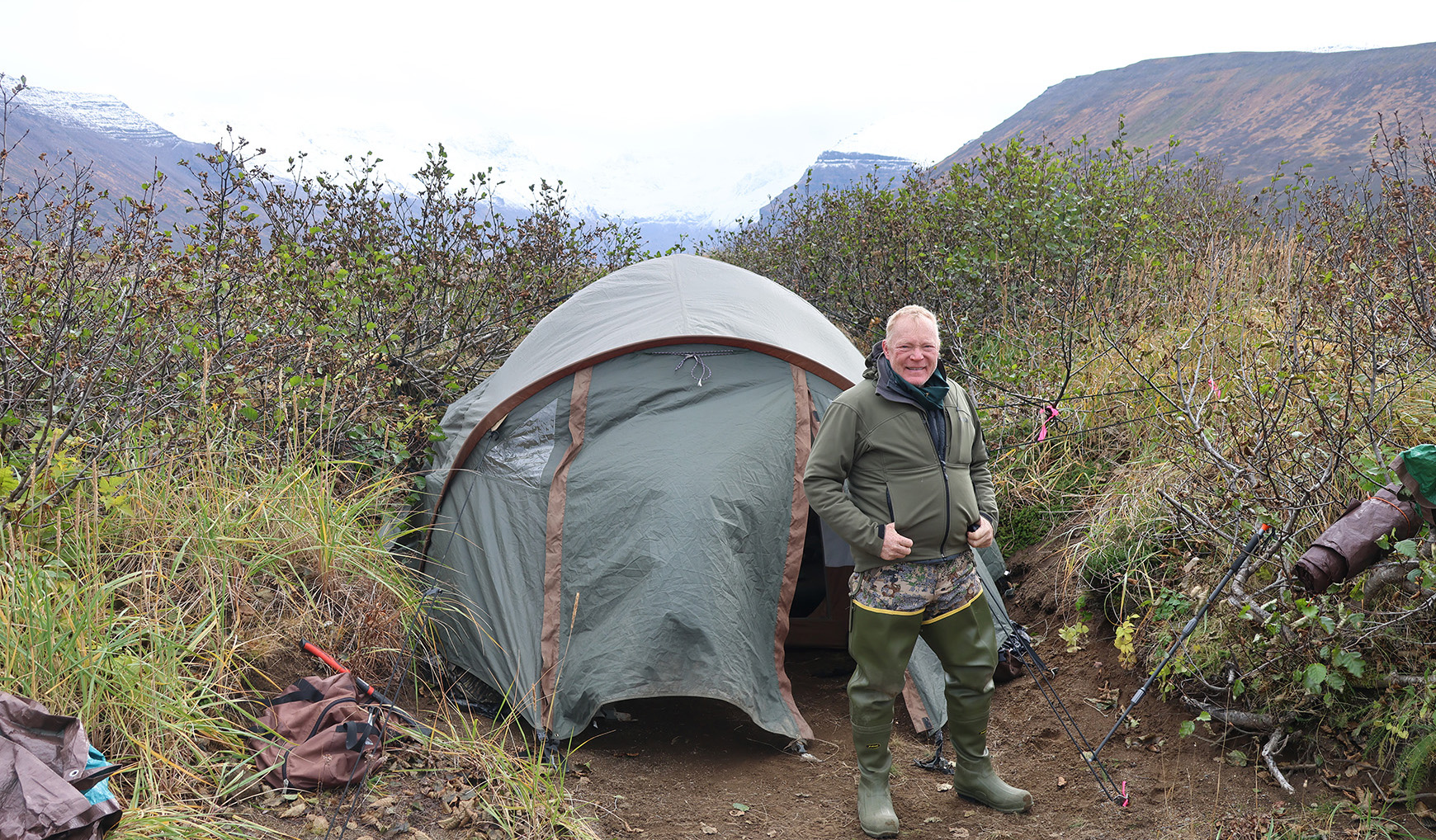
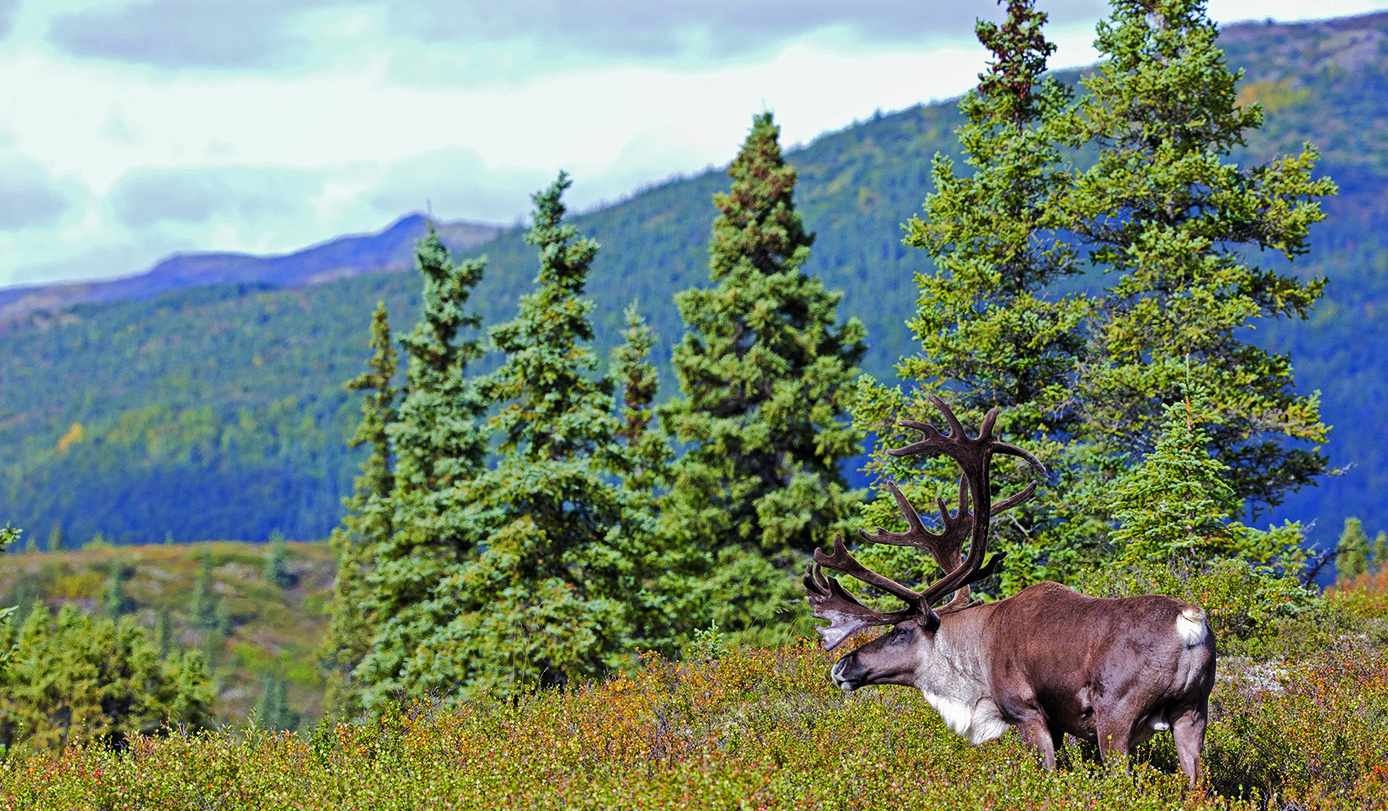
I just got back from a reindeer hunt in Iceland. The European reindeer and our caribou are the same animal, Rangifer tarandus. Their country in Iceland looks a lot like northern Quebec or parts of Alaska—harsh, open, windswept. Except this population doesn’t migrate, they just sort of circulate around, feeding into the wind depending on its direction. We had to wait out some weather, and when we had a chance we slipped in under the fog and took a really nice bull. But it was actually a very easy hunt. A lot of the glassing could be done from farm roads on the ridges. (Glass caribou from a vehicle? Unheard of!) When it came time to make a stalk we had to cover some serious ground and climb a brutal ridge—but it was just one assault, pretty darned easy.
If I’d never hunted caribou I suppose I’d have thought it was pretty simple, but I doubt I’d have thought I’d been cheated out of effort and exercise. In fact, however, I’ve done a lot of caribou hunting, and I’ve never had an easy caribou hunt—even when I’ve hit the migration, and I’ve missed it much more than I’ve hit it. Despite the purchase of multiple tags, I have never shot a caribou in Alaska, but I’ve sure tried to find one I liked. I’ve taken some good bulls in northern Quebec, but only after days of tiptoeing through the tundra tussocks. So didn’t feel the least guilty about this reindeer coming as easily as it did. Actually, I felt pretty good about it.
The Role of Luck
The thing is, any given hunt can be very easy—or very difficult. You can make it a lot more difficult by missing, or by passing an animal because it’s “too early in the hunt.” (Important rule: Big trophies can’t be stockpiled for another day.) But you can’t make a hunt any easier than it naturally is. This is dictated by the animals and your luck. The animals will do what they’re going to do, and you can hunt them with all the skill and ethical and legal means at your disposal. But you’re still going to have good luck and bad luck.
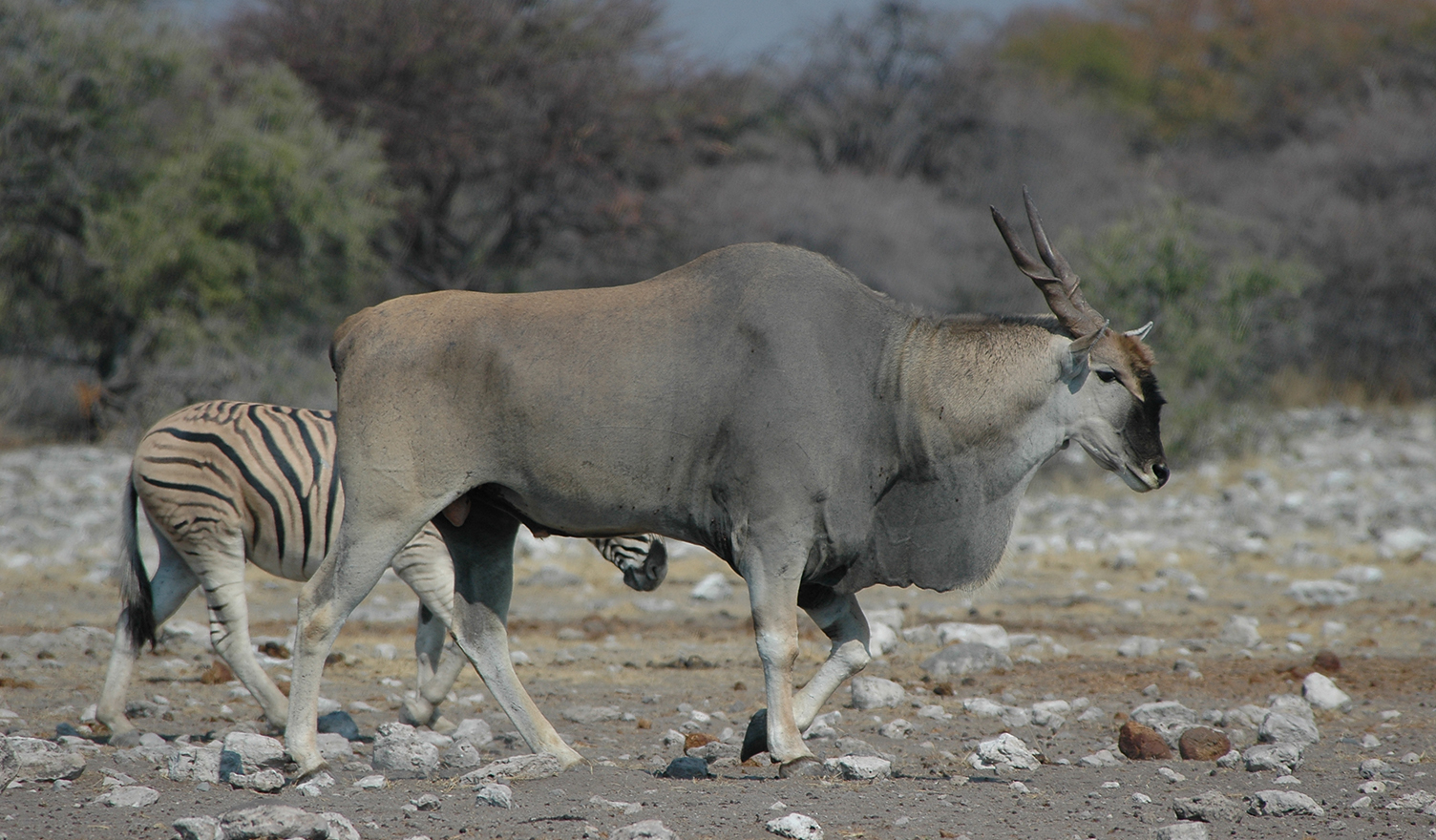
In Africa, two of the toughest trophies are bongo and Lord Derby giant eland. My buddy Joe Bishop got his first bongo on the first day of a twenty-one-day safari. Another buddy, Kirk Kelso, got his Derby eland on the first day of our hunt together last year. For me, my first of both bongo and giant eland came midway through the second safari for each one. So we have slightly different ideas about the difficulty of these animals. Well, OK, Joe doesn’t. He pushed his luck and hunted bongo again, and went three weeks without firing a shot. Things do have a way of evening out.
Mountain Hunts
Most mountain hunting is physically demanding. You know that going in, right? You’re going to climb, and you’re going to get short of breath, and it’s going to hurt. What you don’t know is how much it’s going to hurt, and perhaps more importantly, for how long it’s going to hurt. Again, this depends on weather and luck—but it also depends on the quality of the area you are hunting, and how picky you are. The steepest, nastiest sheep or goat country in the world isn’t so bad if you only have to climb it once. It’s when you have to climb over and over again, day after day, that it really starts to hurt.
Honestly, a lot of sheep and goat hunts are easier than sheep and goat hunters let on, not because the country isn’t tough, but because the hunts are relatively short. A lot of Old World hunts are like that, especially European hunts for chamois and ibex, because the areas are finite and well managed. Some Asian hunts are like that, while with other situations success is much more random (and that’s when things get tough). North American mountain hunts are all over the map. Many permit draws get you into areas so good the hunting can be quite easy. But then you are tempted to be really picky, so you never know.
Of course, if you mess up, easy hunts can get really tough—and it doesn’t take much. A little while back I went on a Rocky Mountain goat hunt in coastal British Columbia with outfitter Mike Hawkridge. Goat hunting is almost always tougher than sheep hunting! We made it extra-hard because we were filming it for TV, two hunters, one camera. That meant the cameraman had to do two goat hunts, as did the hunter who shot second (that would be me). On a typical mountain hunt you will lose some days to weather (we did). We also blew a couple of stalks, which is not good because you’ve put in all the pain with no gain.
In time my partner got his goat, then it was my turn. By now I was hurting, as was my camera-toting partner. But since he’s more than twenty years younger than me it wouldn’t do to show it, would it? So on the next-to-last day we pushed hard, and then I pushed some more. It was steep and slick so, truly, I pushed far beyond common sense, and at least a bit beyond safety. Mike Hawkridge was in good shape and ready to go, but he suggested I was nuts to keep going. Of course he was right, but we got our goat—and then the weather closed in.
It was long after dark when we stumbled into camp, and I was dead. At some point my cameraman, Conrad, who is also my friend said, “Well, I hope you’re proud of yourself. You put this thirty-three-year old into the dirt.” Cool. He didn’t have a clue how bad I felt. So I said, “Hey, I’ve been doing that for twenty years,” as I rummaged for more Ibuprofen. That was last year, and I figure I still have a couple more easy ones coming. Honest, over time they even out.